

Back on Track: EPA Reinstates Grant to Detect PFAS in Food Supply
By Wardah Kamran
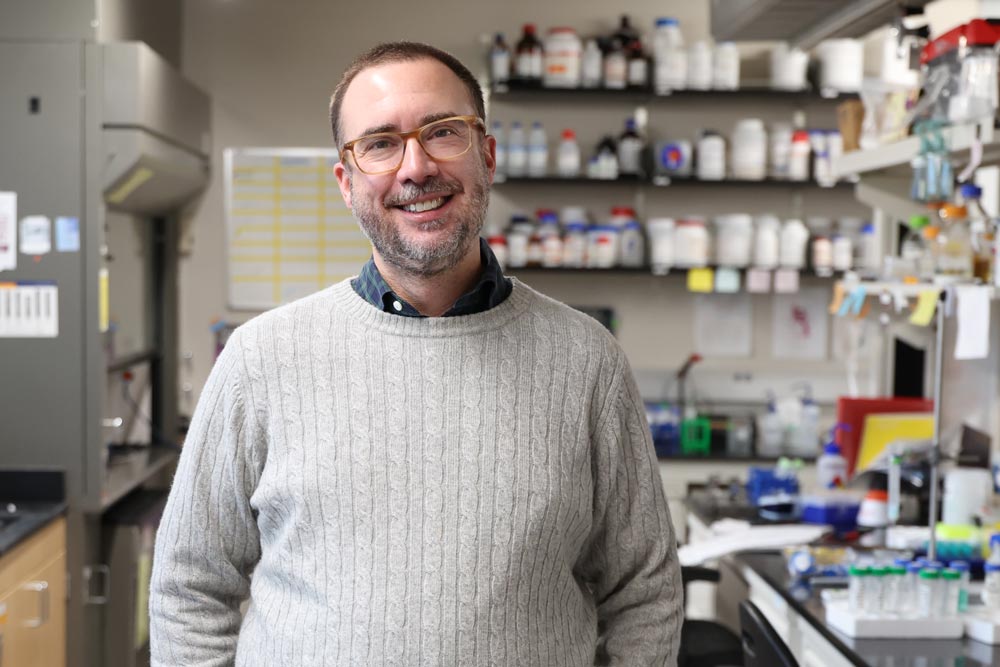
Bryan Berger, a professor of chemical and biomedical engineering in the School of Engineering and Applied Science, researches methods to detect and remove harmful per- and polyfluoroalkyl substances (PFAS) present in agricultural settings. Recently, Berger had his Environmental Protection Agency (EPA) grant reinstated after it was terminated in May, and is now trying to rapidly revive his research as the summer harvest season is already underway.
PFAS, most commonly ingested through food, have been linked to adverse effects such as reproductive health issues and the accumulation of fatty tissues in the body. There are also concerns about these chemicals being linked to liver damage, breast cancer and diseases that might disproportionately affect women.
Despite being banned, PFAS continue to show up in food and are incredibly difficult to get rid of. Composed of a carbon-fluorine bond �” one of the strongest bonds in organic chemistry �” PFAS are considered forever chemicals as they do not easily break down.
Because of his work with PFAS, Berger endeavored to apply for the EPA’s Science to Achieve Results grant since it specifically called for research on PFAS detection and removal. For the competitive grant, however, he first had to gather convincing preliminary data. With the help of the Jefferson Trust, Berger was able to create a solid foundation for his EPA grant application.
“One thing that was really pivotal to our success was the Jefferson Trust,” Berger said. “They took a risk and gave us support.”
In September 2024, after years of planning and collecting data, Berger’s team won the EPA award. Recognizing that finding PFAS is key to keeping them out of the food supply, Berger’s lab decided on using the grant to continue looking for affordable and accessible methods of PFAS detection.
“The biggest problem is detection,” Berger said. “Once you figure out where [PFAS is] accumulating, that can help you develop better ways of segregating it out of the food supply and then eventually remediating it.”
With the EPA grant, Berger and his team identified PFAS-free parts of potatoes irrigated with contaminated water and demonstrated the ability of their biosensor to detect PFAS. This research, which gave farmers tools to make informed decisions about their crops, aligned with the goals of the EPA grant.
Despite demonstrating success in their research, Berger’s team received news in May that their EPA grant had been terminated. This came at a point when the lab was getting ready to start collecting samples during the summer harvest season, leading them to halt their work before it had begun. Though Berger’s team was disappointed about not being able to do the work they had planned for the summer, this did not stop them.
“We all just decided we’re not going to give up. This is too important. We’ve worked too long and hard. One way or another, we’ll find some funding somewhere,” Berger said.
Fortunately, Berger did not have to look elsewhere for funding as EPA reinstated his grant in June. Since then, Berger and his team have resumed their work. The temporary termination of their grant, however, caused Berger’s lab to miss some of the early crops they were planning to sample. Not only were some of these missed crops of cultural significance to the Mi’kmaq Nation, who provide most of the land for the research, but they were also growing in areas with high amounts of PFAS.
Currently, the biggest challenge Berger’s lab faces is hiring people for fieldwork, as most of their previous staff found other jobs when the grant was canceled. Berger’s team is also scrambling to revitalize their summer fieldwork to ensure the maintenance of their longitudinal data.
“We wanted to have multiple years of data because it takes so much effort to collect this data,” Berger said. “We didn’t want it to be just one snapshot in time. That doesn’t really represent reality.”
While the collection of data might have been hindered, the research and development of PFAS-detecting biosensors have continued.
Though Berger is unable to predict what will happen with his grant in the future, he is hopeful about the trajectory of PFAS research.
“This is an issue that everybody really cares about,” Berger said, “Therefore, it’s something that will continue to be supported as a result.”